
Part IV of V: Changing the Story to Change the System
Culture Drives Adoption

The Barriers for Farmers & Ranchers to Adopt Regenerative Agriculture in the U.S. report emphasizes that farmers often trust peers more than experts. Adoption of regenerative practices is shaped by culture, identity, and community norms, not just technical knowledge. Urban farmers are uniquely positioned as visible educators. Our gardens, signage, workshops, and physical presence shape how your community understands soil, food, and climate resilience. Leverage and opportunities include:
Demonstration Beds and Visible Soil Health
Urban farms are public spaces. When growers create demonstration beds that show the difference between tilled and no‑till soil, or between bare soil and mulched soil, they turn their farm into a living classroom. These visual comparisons help neighbors, volunteers, and policymakers understand the value of regenerative practices in ways that data alone cannot.
Community Workshops and Hands‑On Learning
Workshops on composting, seed saving, herbal medicine, or water‑wise gardening empower residents to participate in regeneration at home. These events build community ownership, attract volunteers, and generate small revenue streams. They also position the farm as a trusted source of knowledge, strengthening its role in neighborhood resilience.
Narrative Power and Cultural Storytelling
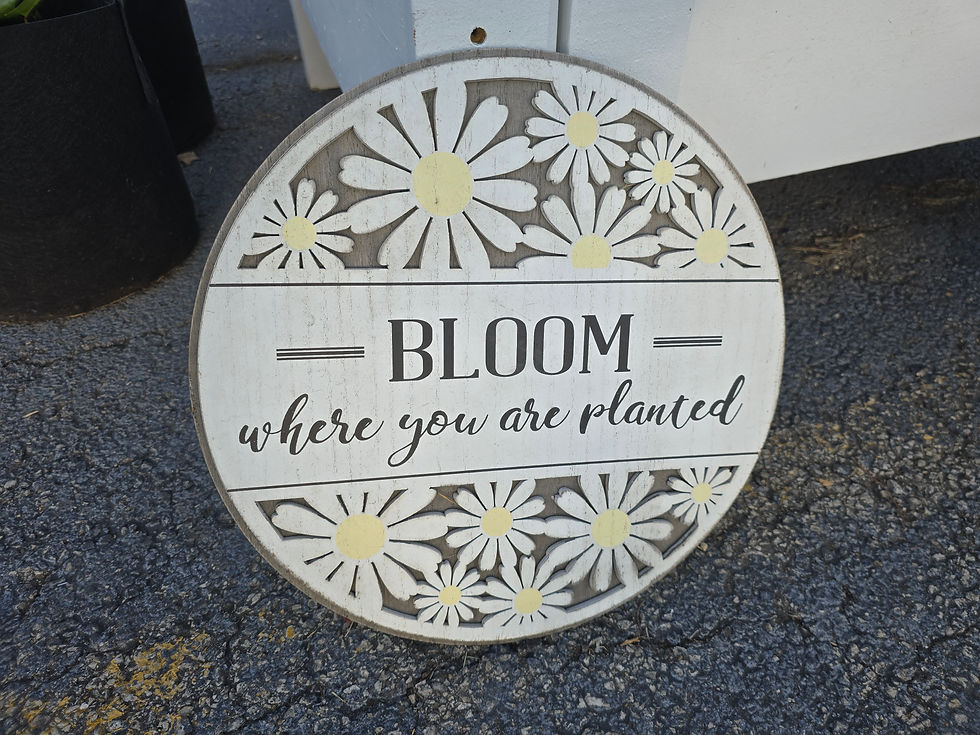
Every farm has a story: why it exists, who tends it, what it hopes to heal. Sharing these stories through signage, social media, or community events helps shift public perception of what farming looks like and who it belongs to. Storytelling also counters narratives that portray urban land as “vacant” or “underused,” highlighting its cultural and ecological value instead.
Youth Engagement and Intergenerational Learning
School gardens, teen apprenticeships, and youth leadership programs cultivate the next generation of land stewards. Young people bring creativity, energy, and new perspectives to regenerative agriculture. Their involvement also strengthens family engagement and builds long‑term community investment in the farm.
Shared Messaging Across Networks
When multiple farms, gardens, and organizations use aligned language about soil health, climate resilience, and community well‑being, the message becomes stronger. Shared messaging helps build regional identity, attract funders, and influence policy. It also ensures that regenerative agriculture is understood as a movement, not a collection of isolated projects.
Inspired by the 2020 report Barriers for Farmers & Ranchers to Adopt Regenerative Agriculture in the U.S., this is the fourth article of a 5-part blog series, Regenerative Roots, authored by Jennifer O’Connor of Guidelight Strategies. Her landmark report draws on hundreds of interviews to reveal the cultural, economic, ecological, and equity challenges shaping today’s food system, and the opportunities for transformation. Our series breaks these insights down for small urban farmers, offering practical, community-rooted guidance on soil health, justice, supply chains, storytelling, and policy.
Whether you’re tending a backyard bed or stewarding a community farm, these articles will help you grow with purpose, resilience, and regeneration at the center.


Comments